
Indexable Milling Inserts
Indexable Milling Inserts for CNC Milling
Explore KXT carbide milling insert application directions by ISO workpiece material group and milling operation. Final geometry, grade, coating and cutter-body compatibility should be confirmed against the actual material specification and machining conditions.
- P Steel
- M Stainless steel
- K Cast iron
- N Non-ferrous
- S Heat-resistant alloys
- H Hardened steel
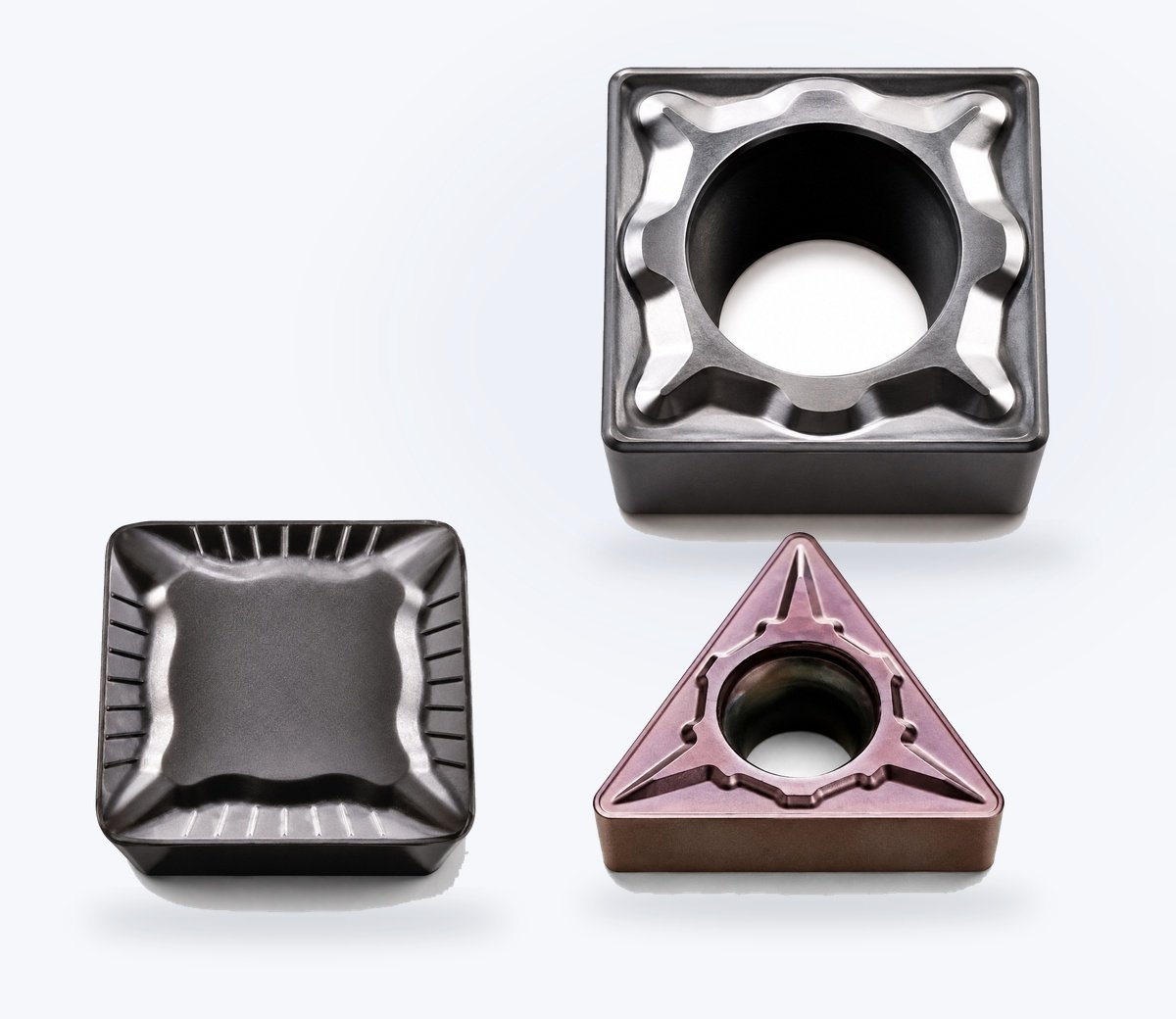
Choose by ISO Workpiece Material
Find the Relevant Milling Insert Direction
Select the material group that best matches the workpiece. The link on each card opens the corresponding technical selection panel below.
Material group alone is not enough for a final recommendation. Include material grade, hardness or heat-treatment condition, operation, cutter body and machining stability.
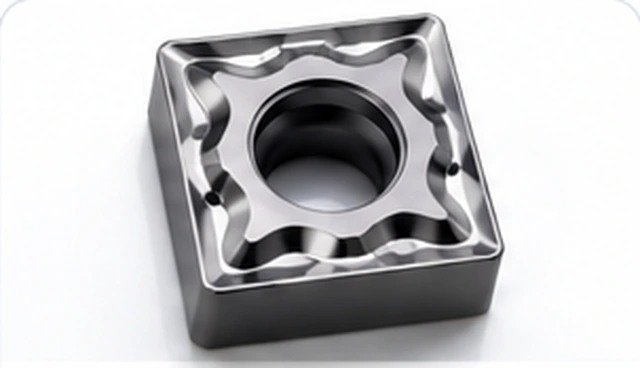
Milling Inserts for Steel
Application direction for carbon steel, alloy steel and pre-hardened steel components.
View ISO P selection inputs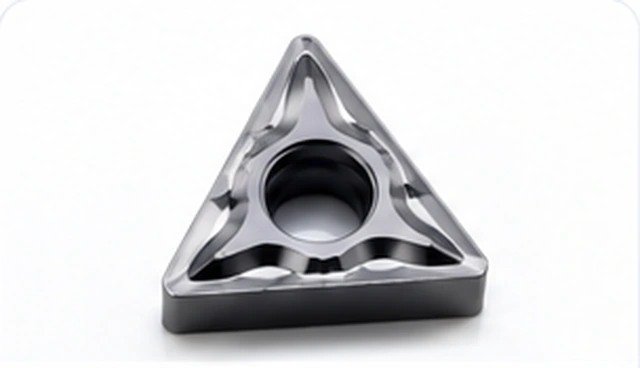
Milling Inserts for Stainless Steel
Application direction for austenitic, martensitic and duplex stainless steel components.
View ISO M selection inputs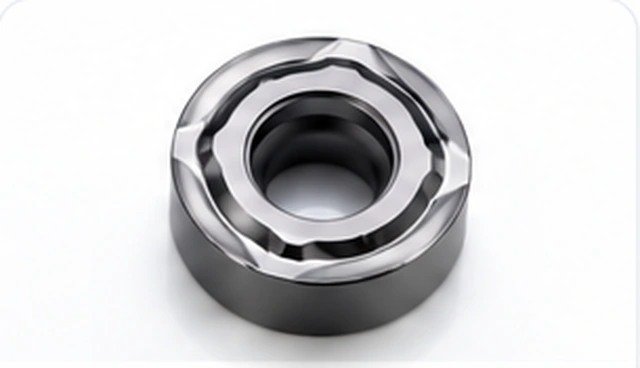
Milling Inserts for Cast Iron
Application direction for grey iron, ductile iron, housings, bases and cast industrial parts.
View ISO K selection inputs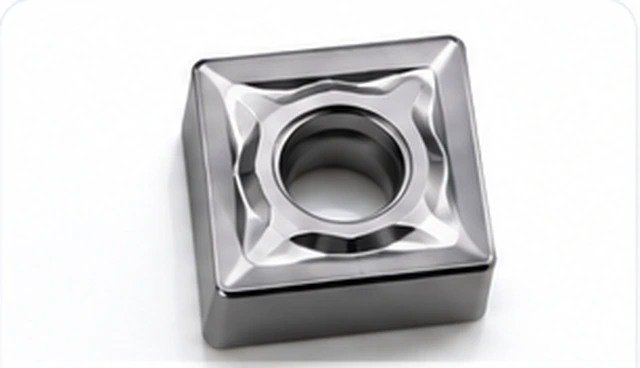
Milling Inserts for Non-Ferrous Materials
Application direction for aluminum alloys, copper alloys, brass, bronze and other non-ferrous materials.
View ISO N selection inputs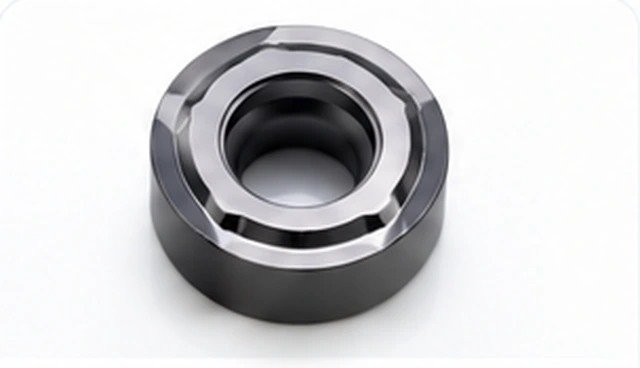
Milling Inserts for Titanium and HRSA
Application direction for titanium alloys and nickel- or cobalt-based heat-resistant alloys.
View ISO S selection inputs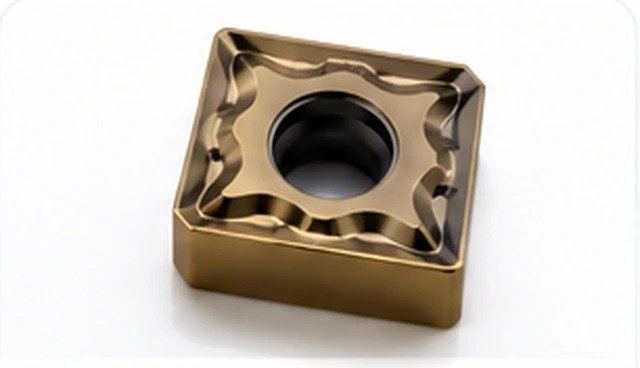
Milling Inserts for Hardened Steel
Application direction for hardened molds, dies, gears, bearing parts and wear-resistant components.
View ISO H selection inputsChoose by Milling Operation
Match the Insert to the Cutting Task
After the material group is established, confirm the operation, engagement, required surface finish and compatible cutter body.
Face Milling
Machining of broad flat surfaces, plates, bases and housings.
Shoulder Milling
Pockets, steps and applications requiring accurate shoulders.
Profile Milling
Contours, cavities and complex die-and-mold surfaces.
High-Feed Milling
Roughing and material-removal applications suited to small entering angles and high table feeds.
Technical Selection Guide
Selection Inputs by ISO Material Group
Use these panels to prepare the information needed for a relevant insert recommendation. They are application guides, not final cutting-data declarations.
P
Steel
Carbon steel, alloy steel and pre-hardened steel components.
- Provide
- Grade and hardness condition
- Operation
- Face, shoulder or profile milling
- Also confirm
- Cutter body and engagement
M
Stainless Steel
Austenitic, martensitic and duplex stainless steel components.
- Provide
- Stainless type and grade
- Operation
- Face, shoulder or profile milling
- Also confirm
- Stability and coolant condition
K
Cast Iron
Grey iron, ductile iron, housings, bases and cast components.
- Provide
- Iron type and surface state
- Operation
- Primarily face milling
- Also confirm
- Scale, interruption and rigidity
N
Non-Ferrous Materials
Aluminum alloys, copper alloys, brass and bronze components.
- Provide
- Alloy grade and condition
- Operation
- Face, shoulder or profile milling
- Also confirm
- Surface-finish target
S
Titanium and HRSA
Titanium alloys and nickel- or cobalt-based heat-resistant alloys.
- Provide
- Exact alloy grade and standard
- Operation
- Face, shoulder or profile milling
- Also confirm
- Cooling and engagement
H
Hardened Steel
Hardened tool steel, mold steel, die steel and bearing steel.
- Provide
- Actual HRC range
- Operation
- Profile or hard-part milling
- Also confirm
- Allowance and finish target
Product-data note: A final insert recommendation requires verified insert geometry, carbide grade, coating, size and cutter-body compatibility. Do not treat this page as a universal cutting-data chart.
Buyer Selection Guide
Information Needed for an Insert Recommendation
The more complete the application data, the more relevant the recommendation and trial plan can be.
| ISO Group | Workpiece Material | Primary Information | Typical Operations |
|---|---|---|---|
| P | Steel | Grade, hardness condition, cutter body and engagement | Face / Shoulder / Profile |
| M | Stainless steel | Stainless type, grade, stability and coolant condition | Face / Shoulder / Profile |
| K | Cast iron | Iron type, surface state, scale and interruption | Face / Shoulder |
| N | Non-ferrous materials | Alloy grade, condition and required surface finish | High-Speed / Face / Profile |
| S | Titanium and HRSA | Exact alloy grade, standard, cooling and engagement | Face / Shoulder / Profile |
| H | Hardened steel | Actual HRC, allowance, rigidity and finish target | Profile / Hard-Part Milling |
Technical FAQ
Common Questions About Milling Insert Selection
What information should I send for an insert recommendation?
Send the workpiece material and grade, hardness or heat-treatment condition, milling operation, cutter-body model, current insert model, cutting engagement, machine condition and the result you want to improve.
Can an insert be selected from material name alone?
No. Material is the starting point, but final selection also depends on geometry, grade, coating, cutter compatibility, engagement, stability and surface-finish requirements.
Why is cutter-body compatibility important?
Indexable inserts are designed around specific seat geometry, clamping, size and cutting-edge position. The existing cutter-body model should therefore be confirmed before an insert is quoted.
Can KXT review a current insert model or machining problem?
Yes. Include the current insert and cutter reference, workpiece details, cutting parameters, wear pattern and target improvement when submitting an application review.
Request a Tool Recommendation
Send Your Material, Operation and Current Cutter Reference
For the fastest review, include the workpiece grade, hardness, cutter-body model, current insert, cutting engagement, machine condition and the result you need to improve.